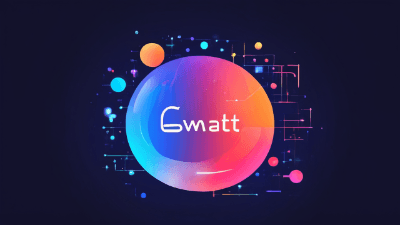

Creating Diverse Logo Designs with Flux Model and ComfyUI
In the rapidly evolving field of AI-driven design, the Flux model combined with ComfyUI provides a robust platform for generating and editing images through natural language prompts. This blog post explores how you can leverage these tools to create logos in various styles, offering practical examples to guide your creative process.
Understanding the Tools
Flux Model: This is a deep learning-based generative model that can create images from text prompts. It's particularly effective for logo design, where specific styles and elements need to be incorporated.
ComfyUI: A user-friendly interface that facilitates intuitive interaction with the Flux model, allowing users to input natural language prompts to generate or modify images.
Steps for Logo Creation
-
Define Your Objective: Clearly outline what you want to achieve with your logo. Consider the style, color scheme, and thematic elements that align with your brand or project.
-
Crafting Effective Prompts:
- Be Specific: Clearly describe the elements you want in your logo. For example, "Design a modern tech company logo using blue and silver, featuring an abstract circuit design."
- Detailing: Provide enough detail to guide the model. For instance, "Create a vintage-style coffee shop logo with a classic coffee cup design in brown and cream colors."
- Emotion and Atmosphere: Include descriptions of the desired mood or atmosphere, such as "Convey innovation and a futuristic feel."
-
Utilize Image Editing Features:
- ComfyUI may offer tools to select specific areas of an image for targeted modifications. Use these to precisely control which parts of the image are altered.
-
Iterate and Refine:
- After generating an image, review the results to see if they meet your expectations. Adjust your prompts as needed to refine the design.
Examples of Logo Styles
-
Modern Tech Style: "Design a modern tech company logo using blue and silver, featuring an abstract circuit design."
-
Vintage Style: "Create a vintage-style coffee shop logo with a classic coffee cup design in brown and cream colors."
-
Minimalist Style: "Design a minimalist fashion brand logo using black and white tones with simple geometric shapes."
-
Eco-Friendly Style: "Create a logo for an environmental organization using green and brown, featuring leaves and earth elements."
-
Luxury Style: "Design a luxury jewelry brand logo using gold and black, featuring a crown and diamond motif."
-
Cartoon Style: "Create a children's toy brand logo using bright colors and cartoon-style animal characters."
-
Sporty Style: "Design a dynamic sportswear brand logo using red and black, featuring an athlete silhouette."
-
Hand-Drawn Style: "Create a logo for a craft store using soft colors and hand-drawn floral patterns."
-
Futuristic Sci-Fi Style: "Design a futuristic sci-fi themed game company logo using neon colors and abstract space motifs."
-
Traditional Cultural Style: "Create a logo for a Chinese restaurant using red and gold, featuring traditional dragon and cloud patterns."
By following these steps and using the examples provided, you can effectively utilize the Flux model and ComfyUI to create diverse and unique logos. The key is to maintain clarity and specificity in your prompts to ensure the model accurately captures your vision.